
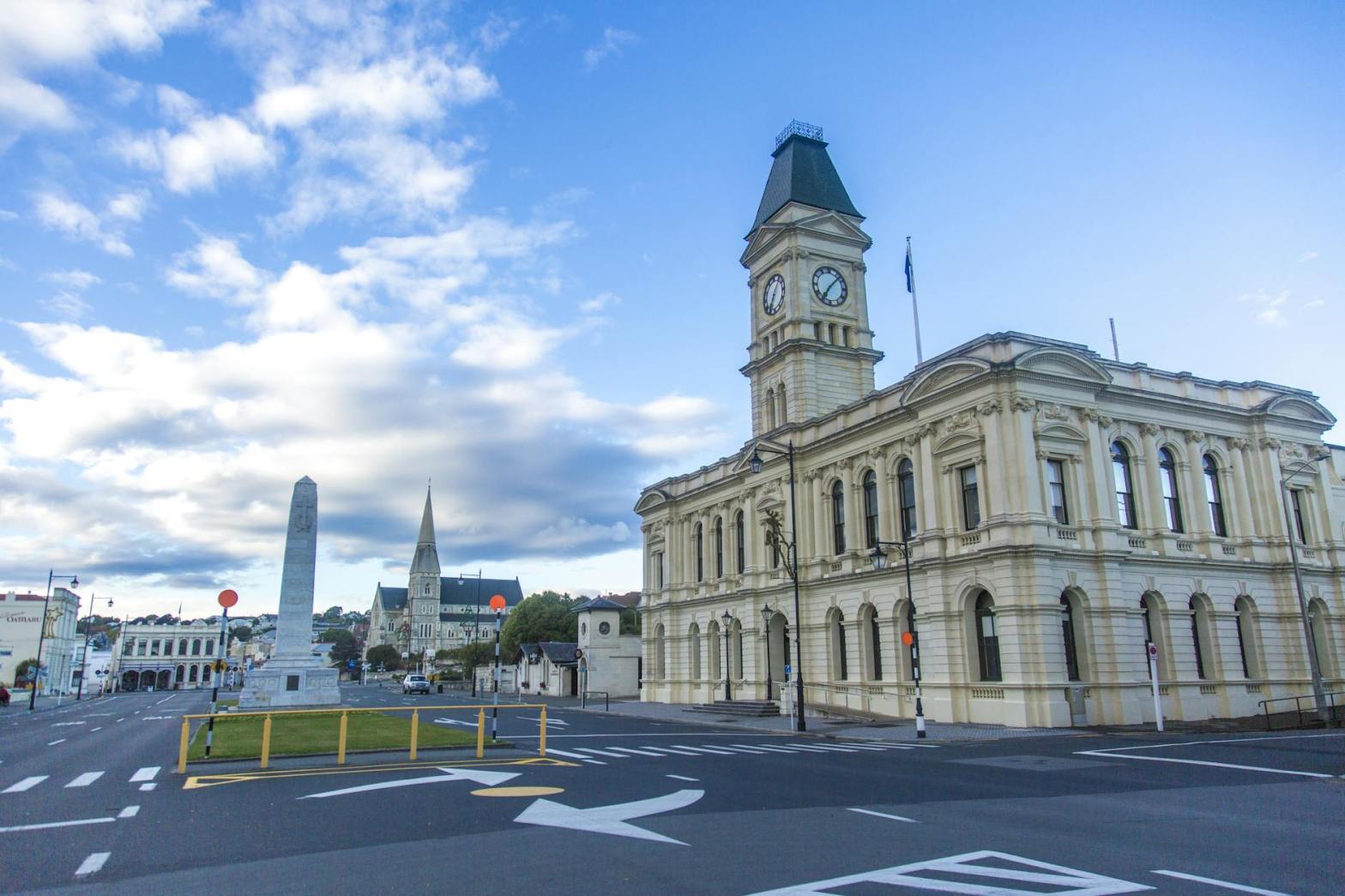
Oamaru, a town in the South Island of New Zealand, experienced significant growth and development in the late 1890s and early 1900s. This period was marked by economic prosperity, architectural advancements, and social changes.
Key Aspects of Oamaru in the Late 1890s and Early 1900s:
- Economic Prosperity:
- Agriculture: Oamaru was a hub for the agricultural industry, particularly sheep farming and grain production. The town’s economy was largely driven by the export of wool, meat, and grain.
- Port: The Oamaru Harbour played a crucial role in trade, facilitating the export of agricultural products and the import of goods. The port’s development was essential for the town’s economic growth.
- Architectural Development:
- Victorian Architecture: Oamaru is renowned for its well-preserved Victorian architecture, constructed primarily from local limestone (Oamaru stone). Buildings from this era include the Oamaru Opera House, the Athenaeum, and various commercial and public buildings.
- Public Infrastructure: Significant investments were made in public infrastructure, including roads, bridges, and water supply systems, contributing to the town’s modernization.
- Social and Cultural Life:
- Education and Libraries: The establishment of schools and libraries was a priority, reflecting the community’s commitment to education and literacy.
- Cultural Institutions: The Oamaru Opera House, built in 1907, became a cultural landmark, hosting performances and events that enriched the town’s social life.
- Population and Demographics:
- The population of Oamaru grew steadily during this period, attracting settlers from various parts of New Zealand and abroad. This influx contributed to the town’s cultural diversity and dynamism.
- Technological Advancements:
- Transportation: The expansion of the railway network connected Oamaru to other parts of New Zealand, enhancing trade and mobility.
- Telecommunications: The introduction of telegraph and telephone services improved communication within the town and with the outside world.
- Challenges and Resilience:
- Economic Fluctuations: Despite overall prosperity, the town faced economic challenges, including fluctuations in agricultural prices and the impact of global events on trade.
- Natural Disasters: Like many towns, Oamaru had to contend with natural disasters such as floods and storms, which occasionally disrupted daily life and commerce.
- Community and Identity:
- Local Governance: Strong local governance and community organizations played a vital role in the town’s development, addressing issues related to public health, safety, and infrastructure.
- Heritage Preservation: Even during this period, there was an awareness of the town’s architectural heritage, laying the groundwork for future preservation efforts.
Oamaru’s late 19th and early 20th-century history is characterized by growth, innovation, and a strong sense of community, leaving a lasting legacy evident in its well-preserved architecture and vibrant cultural life.
 Stepping Through Time