
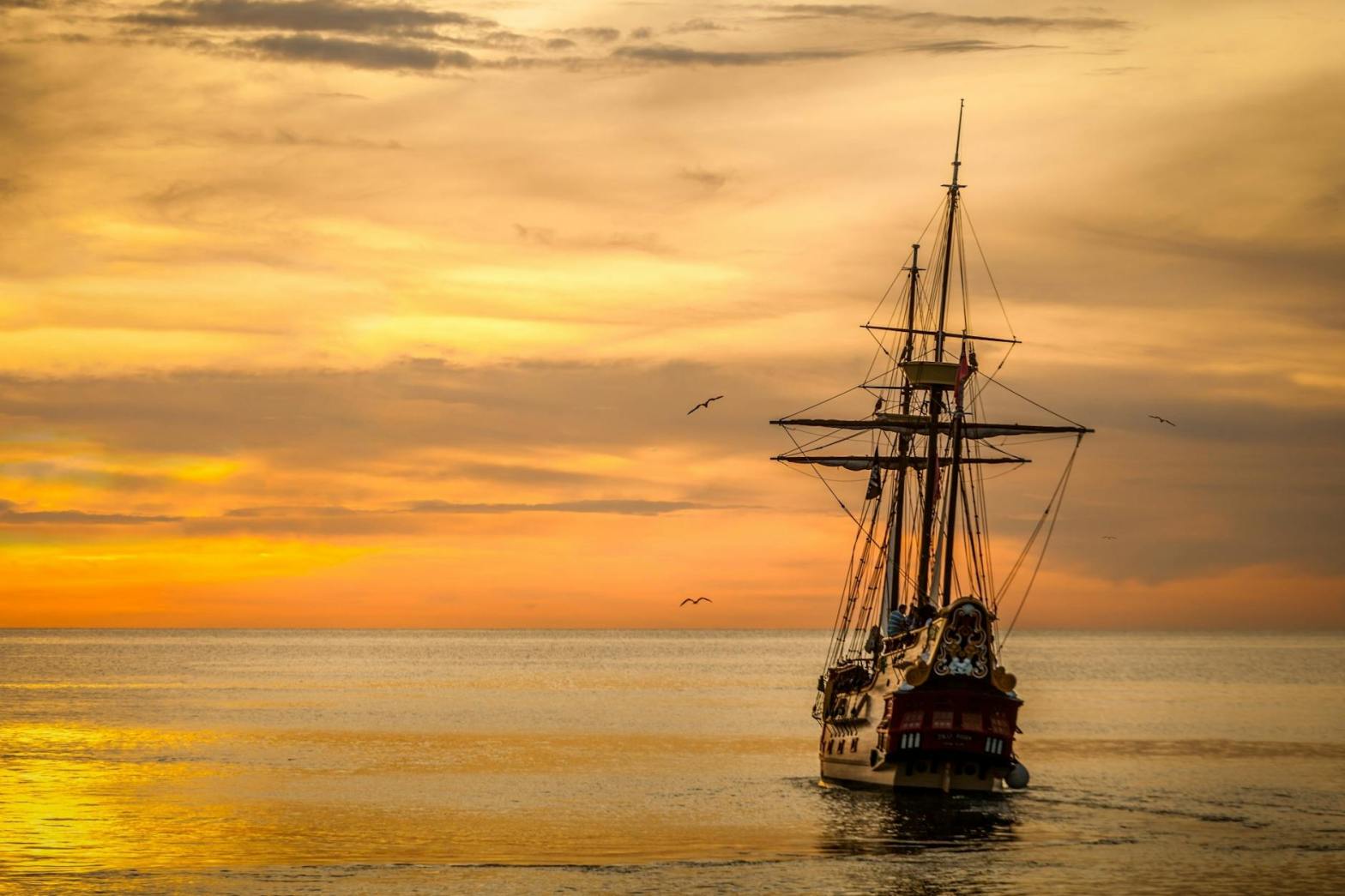
During the 19th and early 20th centuries, numerous ships carried migrants from the UK to New Zealand, a journey that could take several months. Apprenticeships on board these ships were crucial for young men seeking to learn the ropes of maritime life and the merchant trade. These apprenticeships were a blend of rigorous training, hard work, and unique experiences.
Overview of Apprenticeships on Migrant Ships
- Role and Responsibilities:
- Learning the Trade: Apprentices, often young men in their teens, were taught various skills required for a maritime career. This included navigation, seamanship, cargo handling, and maintenance of the ship.
- Daily Duties: Apprentices performed various tasks such as scrubbing the decks, handling ropes and sails, assisting in the kitchen, and helping with repairs. They also kept watches, ensuring the ship stayed on course and identifying any potential hazards.
- Training and Education:
- Hands-On Experience: The primary mode of learning was practical, hands-on experience under the supervision of experienced sailors and officers.
- Formal Instruction: Some ships provided formal lessons in navigation, mathematics, and other relevant subjects, though this varied from ship to ship.
- Mentorship: Apprentices often had a designated mentor, usually a senior sailor or officer, who guided their learning and development.
- Living Conditions:
- Accommodations: Apprentices typically lived in cramped quarters with other crew members. Living conditions were basic, with limited privacy and comfort.
- Food and Health: Meals were often simple and monotonous, consisting of preserved foods like salted meat and hardtack. Maintaining health was a challenge, with seasickness, scurvy, and other ailments common among crew and passengers.
- Challenges and Hardships:
- Physical Demands: The work was physically demanding and often dangerous, with the risk of accidents, harsh weather conditions, and long hours.
- Discipline: Life on board was strictly regulated, with a clear hierarchy and discipline enforced through various means, including punishment for infractions.
- Opportunities for Advancement:
- Career Progression: Successful completion of an apprenticeship could lead to promotion to higher ranks such as able seaman, bosun, or even officer positions.
- Future Prospects: Many apprentices went on to have long and successful careers in the maritime industry, leveraging their experience to secure well-paying jobs or command their own vessels.
- Cultural and Social Experience:
- Exposure to Different Cultures: Apprentices interacted with passengers from diverse backgrounds, gaining exposure to different cultures and perspectives.
- Stories and Relationships: Long voyages fostered strong bonds among crew members, with shared experiences leading to lifelong friendships and camaraderie.
Historical Context
- 19th Century Migration: The 19th century saw a significant wave of migration from the UK to New Zealand, driven by opportunities for land and a better life. This period coincided with the expansion of the British Empire and the establishment of New Zealand as a British colony.
- Ships and Voyages: The ships used for these voyages varied from large sailing ships to steamships in the later part of the century. The journey from the UK to New Zealand typically took around three to four months, depending on the route and weather conditions.
- Economic and Social Impact: The apprenticeships provided a pathway for young men to gain skills and employment, contributing to the economic and social fabric of both the UK and New Zealand.
Conclusion
Apprenticeships on migrant ships were a critical part of maritime training in the 19th and early 20th centuries, offering young men the opportunity to learn valuable skills and advance their careers. Despite the hardships, these apprenticeships were a stepping stone to a life at sea and played a significant role in the migration and development of New Zealand.
 Stepping Through Time